
manufacturing
Controlling the Core: A Technical Look at the Gas-Assist Injection Molding Process

When a mechanical engineer needs to design a large, structural plastic part with a demanding cosmetic surface, they usually run into a wall. Traditional injection molding demands uniform wall thicknesses—usually maxing out around 4mm. Go any thicker and you get sink marks, internal voids, warp, and cycle times that drive up your piece price. To…
Read MoreHow to Transition from Sourcing to Purchasing Without Losing Momentum

I sit on the supplier side of the table. I work with sourcing teams and buyers every day as a custom plastics supplier, and I’ve gotten a front-row seat to how companies handle this transition, both the ones who do it well and the ones who don’t. I’ve also learned a lot from the sourcing…
Read MoreThe Benefits of Maintaining a Structural Foam Tooling Partner Across Projects
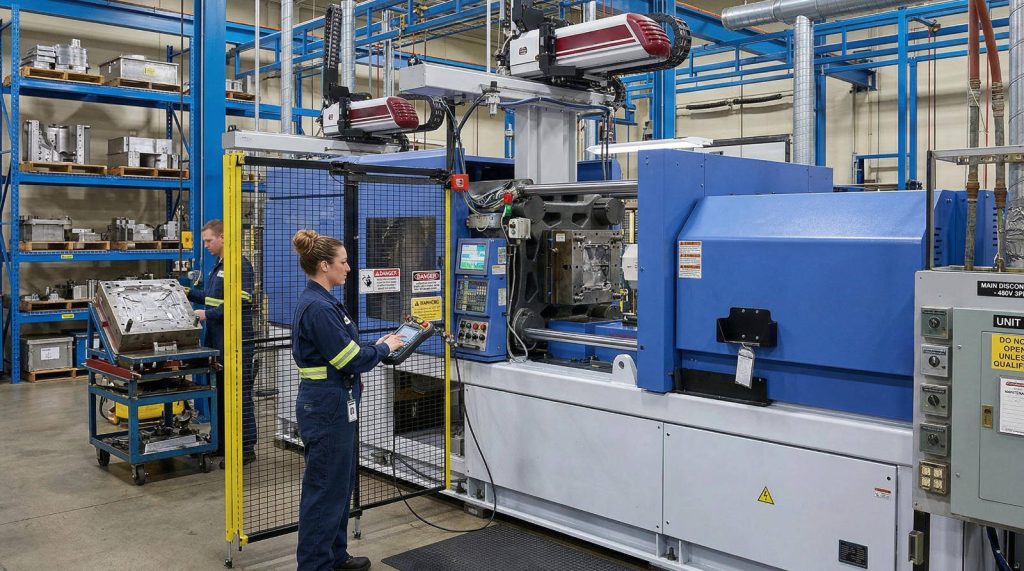
In the world of large-tonnage molding and structural foam, the potential advantages of a consistent tooling partner are often overlooked in the quest to save money. There is a common myth that putting every new tool out to competitive bid is “good procurement.” On the surface, it makes sense: more quotes, more leverage, better pricing.…
Read MoreWhy Keeping the Same Structural Foam Molder Saves You More Than Switching or Diversifying

There’s a specific kind of logic that often takes over in procurement meetings. It sounds like “good discipline”, competitive bids, fresh quotes for every new project, and making sure no vendor gets too comfortable. In many manufacturing contexts, that logic holds up perfectly. But when we’re talking about large-tonnage injection molding and structural foam, that…
Read MoreHow to Choose an OEM Partner for High-Stakes Production

For original equipment manufacturers, the choice of a production partner is often the thin line between a high-performing product launch and a logistical nightmare. While many vendors can shoot plastic into a tool, few possess the engineering depth to manage high-stakes programs where part complexity and structural integrity are non-negotiable. To stay competitive, OEMs must…
Read MoreWhy Your Manufacturer’s Tooling Strategy Matters for Large Plastic Parts

If you are sourcing large industrial parts, like heavy-duty event flooring, industrial/lawn & garden housings, or water control products like trench drains, you probably already know that the “mold” (the tool) is the most expensive and important part of the process. But there is a big question you should ask your manufacturing partner: “Do you…
Read MoreThe Resin Spectrum: Understanding Virgin Prime, Wide-Spec, Repro, and Regrind
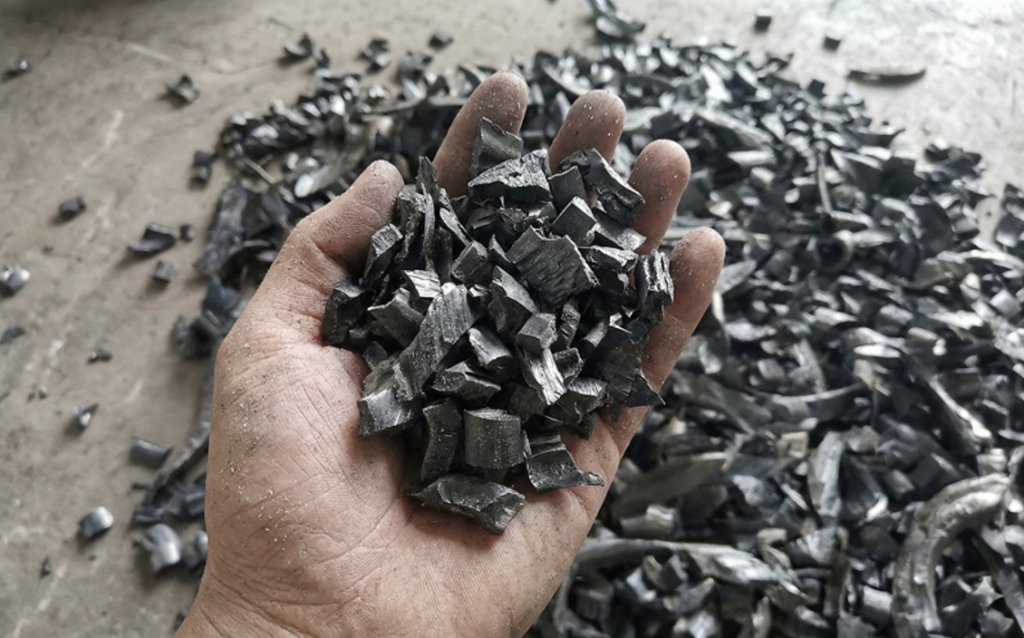
Specifying “HDPE” on a technical drawing is rarely sufficient for those experienced in the plastics industry. Validating a process at Structural Foam Molding or defining material requirements for Miles Products requires selecting a resin grade that is just as critical a variable as the part geometry itself. When discussing High-Density Polyethylene (HDPE), we are analyzing…
Read MoreThree TOUGH Examples of Why Structural Foam Molding is the Standard for High-Performance Large Parts

We spend a lot of time on this blog talking about the process and technology of structural foam molding, i.e. the physics of the cellular core, the strategies for multi-up tooling, and the importance of proactive quality control. But sometimes, the best way to understand the engineering value of structural foam is to look at the “bread…
Read MoreQuality First: Why Proactive Control is the New Standard in Plastic Molding and Extrusion
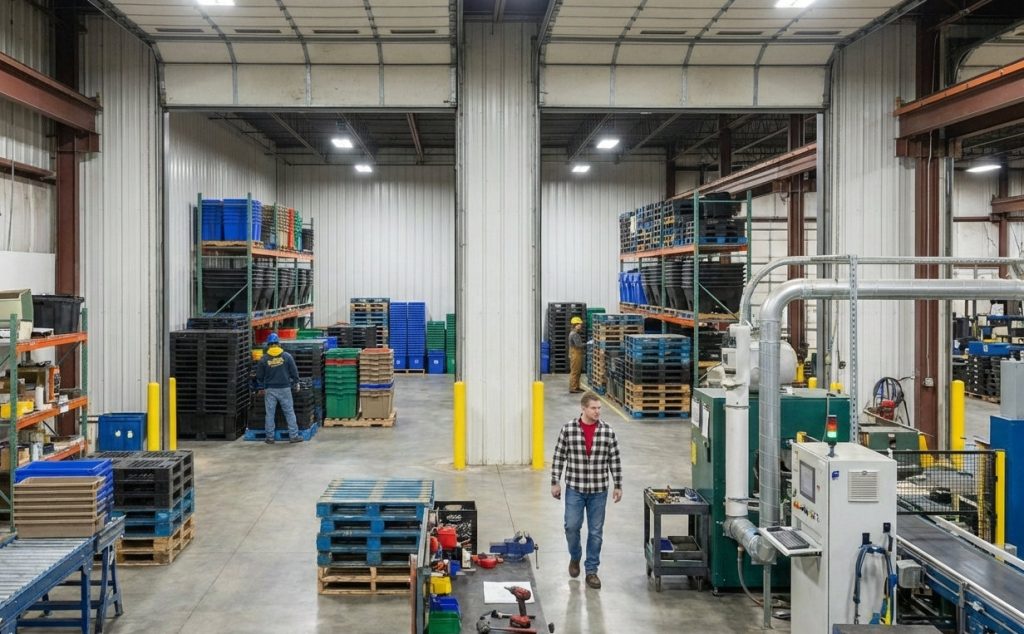
In the world of custom plastic manufacturing, creating parts (from precise medical components to durable automotive pieces) requires more than just the right machine. It demands an unyielding commitment to quality control. The old approach of catching defects at the end of the line is expensive and unsustainable. Today, leading manufacturers view quality processes not…
Read MoreMulti-Cavity vs. Multi-Up Strategies in Structural Foam Molding
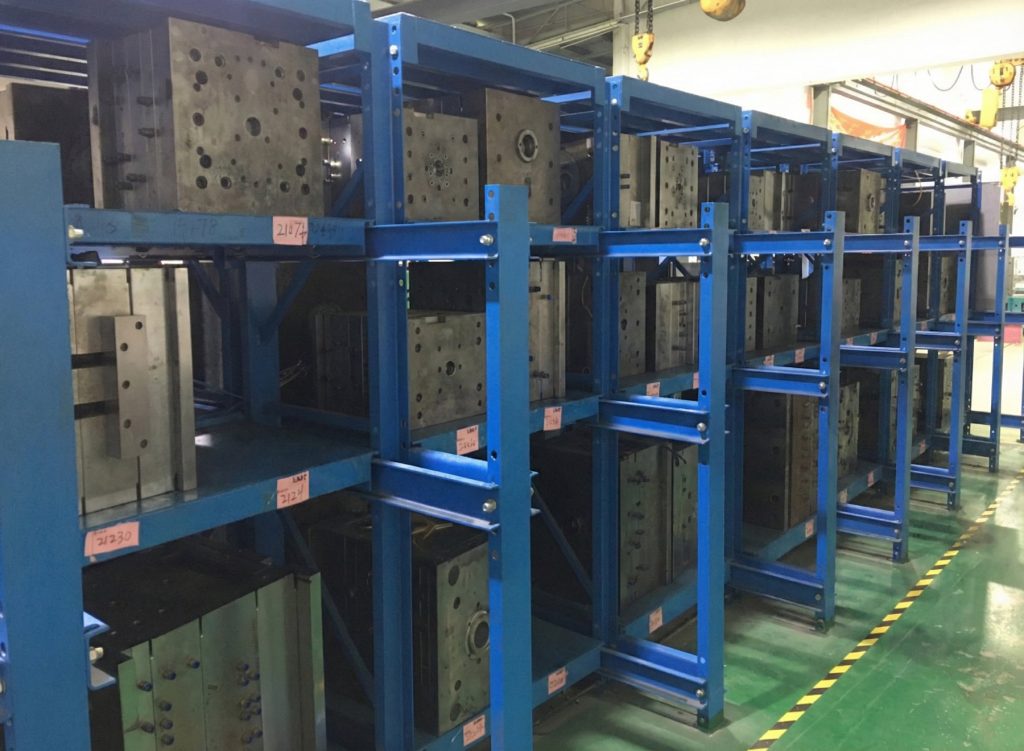
In the world of custom plastic manufacturing, particularly within Structural Foam Molding (SFM), the pathway to profitability often hinges on optimizing cycle time. When scaling the production of a custom part – whether a large industrial component or a complex consumer assembly – engineers and procurement managers must choose between two highly effective yet distinct…
Read More