
For original equipment manufacturers, the choice of a production partner is often the thin line between a high-performing product launch and a logistical nightmare. While many vendors can shoot plastic into a tool, few possess the engineering depth to manage high-stakes programs where part complexity and structural integrity are non-negotiable. To stay competitive, OEMs must look beyond per-unit price and evaluate partners based on their ability to mitigate risk through advanced molding processes and vertical integration.
The Strategic Advantage of Structural Foam
When designing large, complex parts that require high strength-to-weight ratios, structural foam molding is a critical consideration. This process allows for the production of large-sized, lightweight, and extremely rigid parts by introducing a foaming agent into the polymer melt. For an OEM, this translates into several key benefits:
- Weight Reduction: Achieve significant weight savings without compromising the structural stiffness required for industrial housings or medical equipment.
- Dimensional Stability: Because the internal foaming action creates a cellular core, parts exhibit minimal internal stress, reducing the likelihood of warping or sink marks in thick-walled sections.
- Tooling Economy: Structural foam utilizes lower injection pressures, which often allows for the use of more cost-effective aluminum tooling rather than expensive hardened steel.
A partner with mastery over this process can help an OEM consolidate multiple components into a single, robust part, drastically reducing assembly time and part count.
Eliminating the “Vendor Gap” with Vertical Integration
The most common point of failure in a manufacturing program is the hand-off between the molder and secondary service providers. Every time a part leaves one facility for another, the risk of damage, delays, and quality drift increases. A truly experienced partner eliminates this “vendor gap” by offering comprehensive in-house services.
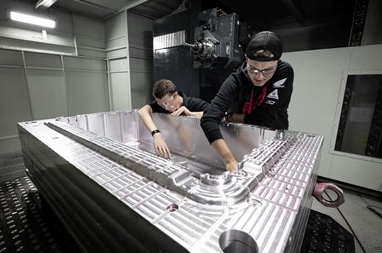
A truly integrated production partner eliminates the “vendor gap” by consolidating specialized services into a single, cohesive workflow. This begins with aggressive involvement in Design for Manufacturability (DFM), where engineering teams optimize part geometry for the molding process long before the first tool is cut, preventing costly downstream errors. Beyond the press, high-performance industrial components often require advanced secondary operations such as EMI/RFI shielding, custom painting, and decorative printing to meet rigorous functional and aesthetic standards. By managing these complex sub-assemblies and final packaging in-house, a partner drastically reduces an OEM’s internal overhead and simplifies a traditionally fragmented global supply chain.
Audit the Expertise, Not Just the Equipment
When evaluating a potential partner, look for a proven track record in handling engineered resins and specialty compounds. The goal is to find a partner that operates as an extension of your own engineering team. This means looking for transparent quality systems, such as ISO 9001:2015 certification, and a disciplined program management approach that ensures predictable costs over the entire lifecycle of the product. By prioritizing technical depth and integrated capabilities, OEMs can secure a supply chain that is as rugged and reliable as the products they build.
Recent posts
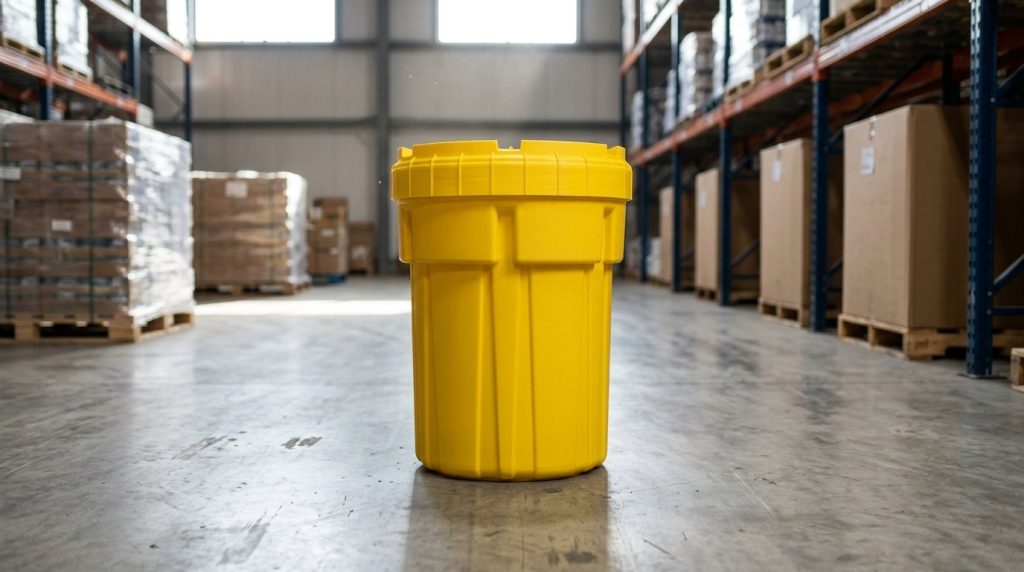
Controlling the Core: A Technical Look at the Gas-Assist Injection Molding Process
Posted on July 14, 2026
How to Transition from Sourcing to Purchasing Without Losing Momentum
Posted on April 22, 2026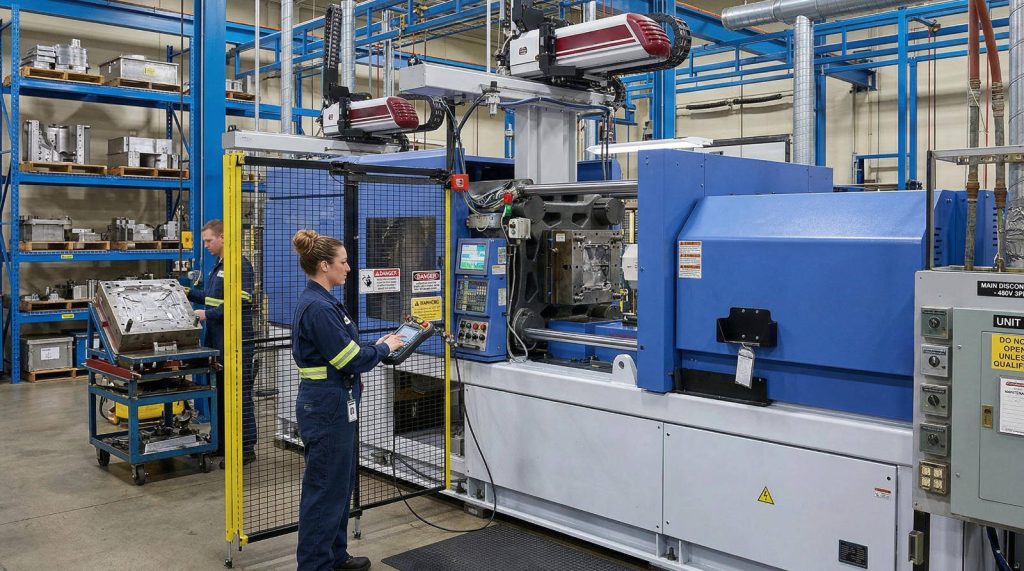
The Benefits of Maintaining a Structural Foam Tooling Partner Across Projects
Posted on April 13, 2026