
design
Structural Foam as a Precast Concrete Alternative for Large Parts

The Weight Problem at Scale At small sizes & small quantities, concrete is hard to beat. It’s durable, cheap, & light enough for one or two people to handle without special equipment. For compact parts like utility enclosures, equipment housings, & drainage structures, concrete works. Scale those same parts up in size or quantity &…
Read MoreControlling the Core: A Technical Look at the Gas-Assist Injection Molding Process

When a mechanical engineer needs to design a large, structural plastic part with a demanding cosmetic surface, they usually run into a wall. Traditional injection molding demands uniform wall thicknesses—usually maxing out around 4mm. Go any thicker and you get sink marks, internal voids, warp, and cycle times that drive up your piece price. To…
Read MoreHow to Choose an OEM Partner for High-Stakes Production

For original equipment manufacturers, the choice of a production partner is often the thin line between a high-performing product launch and a logistical nightmare. While many vendors can shoot plastic into a tool, few possess the engineering depth to manage high-stakes programs where part complexity and structural integrity are non-negotiable. To stay competitive, OEMs must…
Read MoreThree TOUGH Examples of Why Structural Foam Molding is the Standard for High-Performance Large Parts

We spend a lot of time on this blog talking about the process and technology of structural foam molding, i.e. the physics of the cellular core, the strategies for multi-up tooling, and the importance of proactive quality control. But sometimes, the best way to understand the engineering value of structural foam is to look at the “bread…
Read MoreQuality First: Why Proactive Control is the New Standard in Plastic Molding and Extrusion
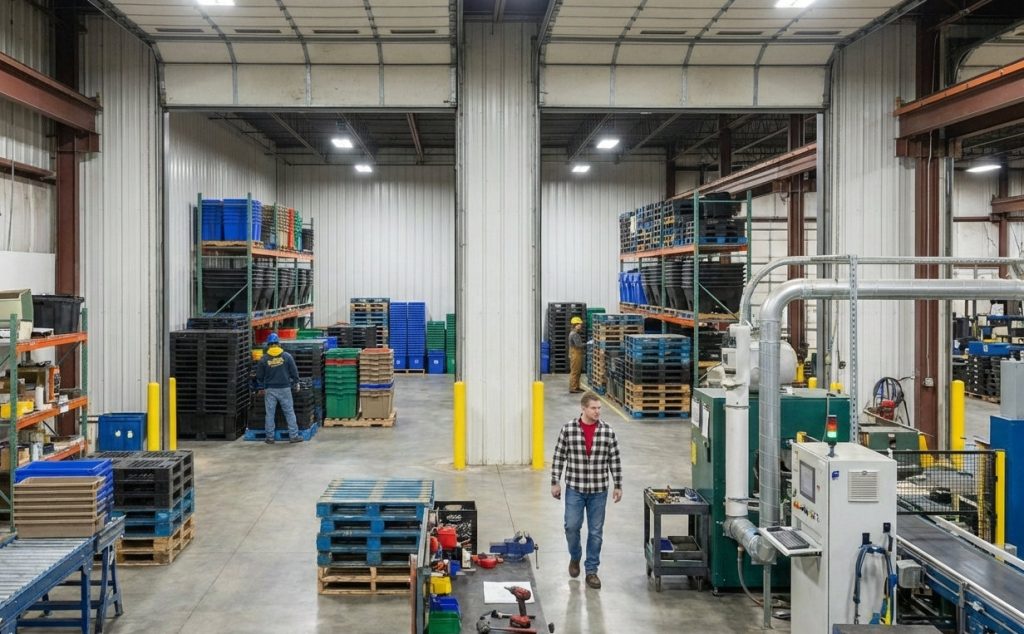
In the world of custom plastic manufacturing, creating parts (from precise medical components to durable automotive pieces) requires more than just the right machine. It demands an unyielding commitment to quality control. The old approach of catching defects at the end of the line is expensive and unsustainable. Today, leading manufacturers view quality processes not…
Read MoreMulti-Cavity vs. Multi-Up Strategies in Structural Foam Molding
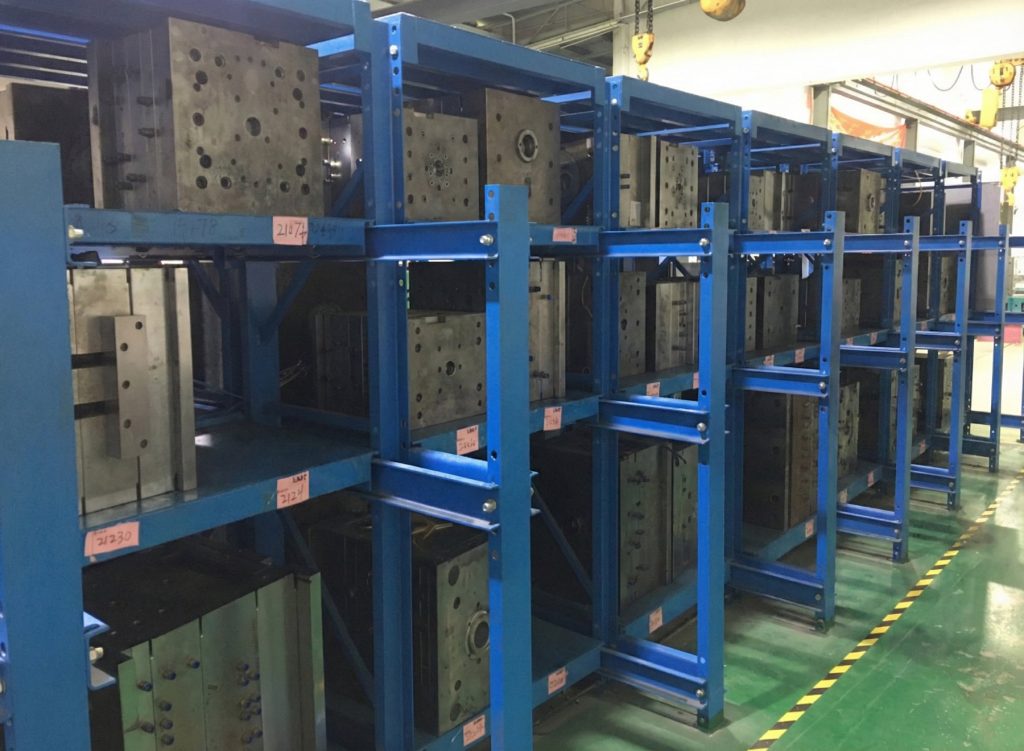
In the world of custom plastic manufacturing, particularly within Structural Foam Molding (SFM), the pathway to profitability often hinges on optimizing cycle time. When scaling the production of a custom part – whether a large industrial component or a complex consumer assembly – engineers and procurement managers must choose between two highly effective yet distinct…
Read MoreThe Unseen Layer: Why Coating Large Structural Foam Parts is the Engineering Imperative

When you’re engineering a large-format plastic component—a medical device enclosure, an industrial chassis, or a piece of heavy equipment housing—the moment of truth arrives long after the material flows into the mold. It arrives when that part has to withstand a decade of use, protect sensitive internal components, and, frankly, look like a premium product.…
Read MoreNavigating Critical Decisions in Large Plastic Part Manufacturing

Designing and producing large custom plastic parts introduces an entirely new set of engineering challenges, material considerations, and production complexities that can significantly impact a project’s budget and timeline. OEMs often approach us with ambitious designs for everything from industrial equipment housings to heavy-duty automotive components, quickly recognizing that increased scale necessitates a sophisticated manufacturing…
Read More