
In structural foam molding (SFM), the final quality of a large, robust part is determined long before plastic enters the mold. Success depends on the precision and reliability of the machine’s core components. While the mold itself gets much of the attention, the system that prepares and delivers the material—the barrel, the rod, and the nozzle—truly dictates the success of the process.
Let’s break down the role of each of these unsung heroes.

The Rod: The Power and Precision
Inside the barrel is the reciprocating screw, often referred to as the rod. This sophisticated component performs two critical functions in sequence:
- Plasticizing and Metering: As the screw rotates, its flights convey the plastic pellets forward, melting and mixing them into a homogenous, gas-charged liquid. Simultaneously, the screw slowly draws back, allowing a precise volume of molten plastic—known as the “shot”—to accumulate at its tip.
- Injection: Once the exact shot size is ready, the screw stops rotating and surges forward like a high-powered piston. This rapid, forceful movement injects the material out of the barrel, through the nozzle, and into the mold. The speed and control of this action are vital for ensuring the gas expands evenly to create a consistent part.
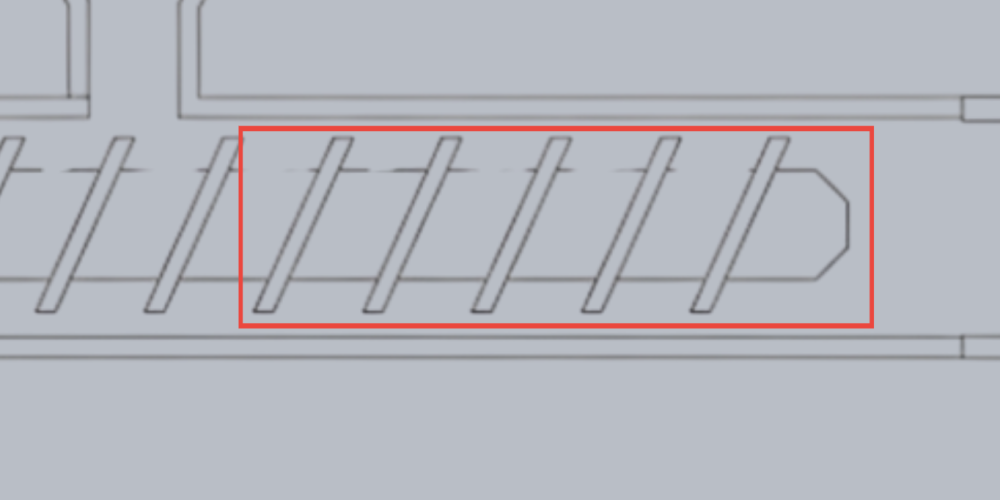
The Nozzle Assembly: The Final Gateway to Quality
The nozzle assembly is the final, critical gateway connecting the machine to the mold. In the multi-nozzle setups used for large structural foam parts, the performance of each nozzle is essential. Its role is multifaceted:
- Controlled Transfer: It provides a leak-proof seal to the mold, ensuring all material is transferred cleanly and efficiently.
- Temperature Maintenance: The nozzle is independently heated to prevent the melt from cooling prematurely, which could cause blockages or disrupt the foaming process.
- Precise Shut-Off: Most importantly, structural foam machines use shut-off nozzles. This mechanism prevents the gas-charged plastic from expanding or drooling before injection, ensuring a clean process and precise control over the “short shot” that defines SFM.
According to technical guides, using nozzle components built to OEM specifications is vital for preventing leaks, ensuring consistent flow, and maintaining the precise thermal control necessary for high-quality parts (Uniloy, “Structural Foam Nozzle Assemblies”).
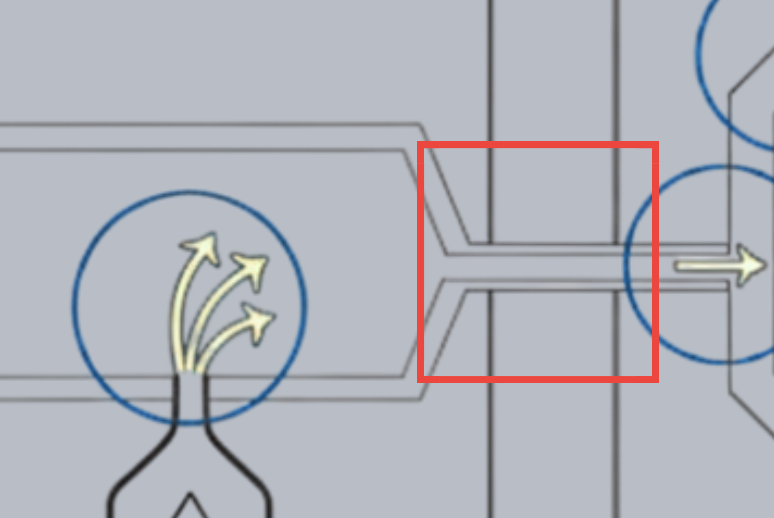
Together, this integrated system of barrel, rod, and nozzle works in perfect harmony. Understanding their individual roles makes it clear that consistent, high-quality structural foam molding begins with well-maintained, precision machine components.
Recent posts
Controlling the Core: A Technical Look at the Gas-Assist Injection Molding Process
Posted on July 14, 2026
How to Transition from Sourcing to Purchasing Without Losing Momentum
Posted on April 22, 2026
The Benefits of Maintaining a Structural Foam Tooling Partner Across Projects
Posted on April 13, 2026